

A Senate Letter, Reported FTC Demands and a Task Force Charter
On October 13, Senators Maria Cantwell (D-Wash.) and Mike Rounds (R-S.D.) sent a letter (press release) to Director of National Intelligence Jay Clayton and Office of Science and Technology Policy Director Michael Kratsios. It urges “a coordinated national response around standards, testing, auditing, and defensive AI,” with more resources for NIST’s CAISSI standards center and federal testing complemented by “qualified third-party evaluators.” Independent auditing, the senators say, can add “an additional layer of verification” as standards and testing mature.
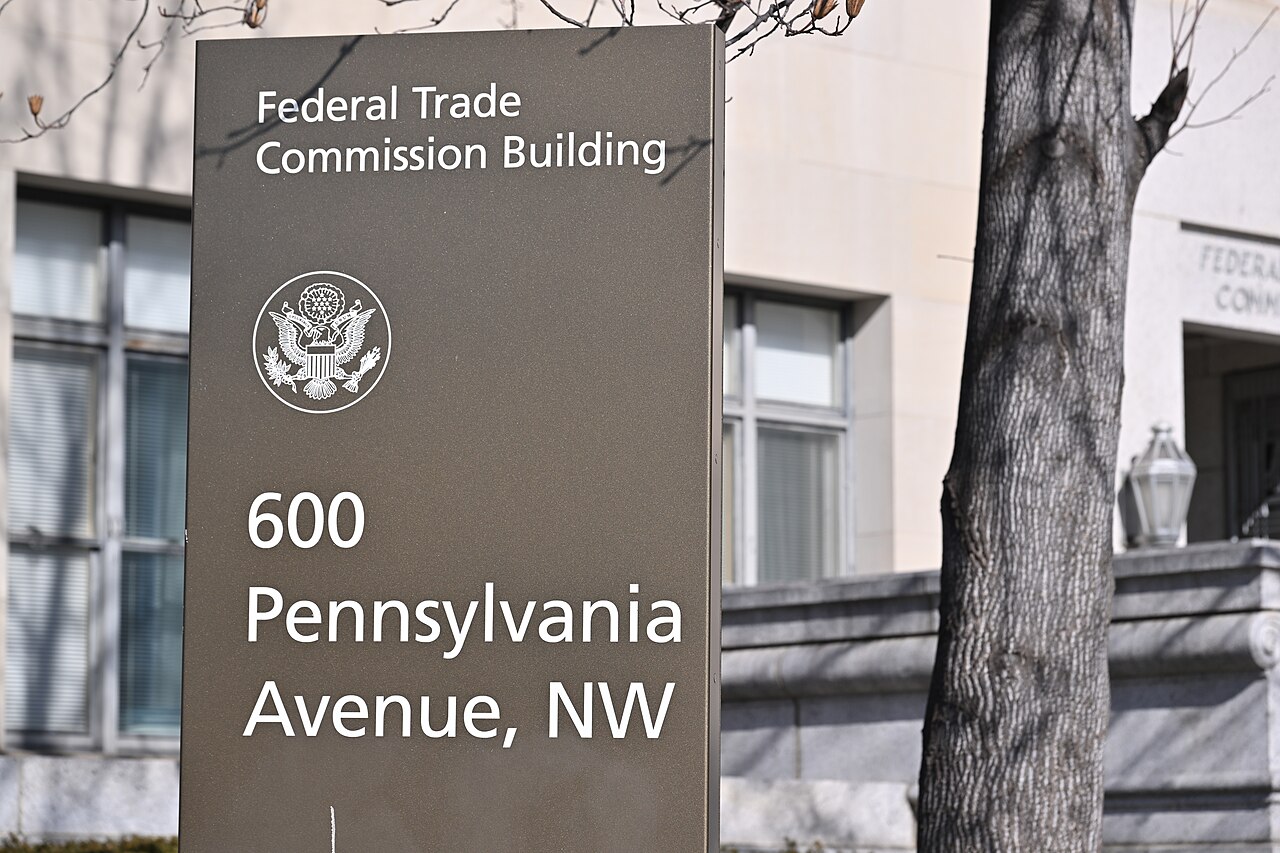
On October 15, CBS News reported that the Federal Trade Commission (FTC) has subpoenaed Anthropic and OpenAI over “potential consumer protection violations,” as an agency spokesperson confirmed. CBS also calls them civil investigative demands, sent October 14. It relays Axios reporting that they seek documents on safety incidents, privacy policies and safeguards. We have not seen the demands.
Task Force Charter as Reported by Semafor
Semafor reported on October 15, citing an announcement shared first with it, that the White House AI task force adopted its charter after its first meeting on Thursday, October 15, starting a 120-day window. Per Semafor, the task force will commission a report from the President’s Council of Advisers on Science and Technology on cybersecurity and critical infrastructure protection, biosecurity and dual-use applications, and model control and accountability. Defense Undersecretary Emil Michael will lead development of protocols for labs to report breaches and hacks. A committee with the Justice Department and the FTC, led by FTC Chair Andrew Ferguson, will coordinate law enforcement and consumer protection.
As of October 18, we found no charter or readout in the White House briefings or presidential-actions listings. Semafor says enforcement is not yet clear.
Audit Questions and Limits
The steps differ in kind: a letter, document demands in a consumer protection inquiry, and coordination inside the executive branch. None of the sources we read reports findings or a binding audit requirement. The letter cites no source for its “tens of thousands of incidents.”
Our editorial questions: What counts as an incident, and who holds the logs? Would anything produced to the FTC reach independent evaluators? Will the charter and breach protocols be published, and who would verify compliance? See also our briefs on the FTC inquiry, the voluntary White House accord and the proposed Cantwell framework.
Follow Audit Commons
Keep up with new reporting, practical guides, and resources in your feed reader.